Understanding the Psychology of Redecorating and Why Intentional Design Matters
There's a particular restlessness that appears in late winter. The furniture that felt right in December suddenly looks tired. A single new piece enters the home, and everything surrounding it feels mismatched. The entire room requires reconsideration, not because anything broke, but because perception shifted. This cycle is familiar to anyone who decorates, but it's rarely about the objects themselves.
Redecorating is often framed as an aesthetic decision. But the urge to change a space runs deeper than visual preference. It's tied to identity, emotional transition, and the way we use our homes to reflect who we are or who we want to become. Understanding the psychology of redecorating and interior design psychology more broadly creates space for more intentional decorating choices. Choices that support how we actually live rather than chasing a moving target of dissatisfaction.
The psychology of home design is well documented but rarely applied. Certain patterns appear consistently: the spiral of replacement after a single purchase, the fatigue that sets in when too many elements compete for attention, the way life transitions trigger spatial recalibration. Recognizing these patterns doesn't eliminate the desire to change a space. It simply clarifies whether the change is serving a purpose or feeding a cycle.
The Diderot Effect and the Redesign Spiral

In the 18th century, French philosopher Denis Diderot received a luxurious scarlet robe as a gift. He loved it. But once it entered his study, everything else in the room looked shabby by comparison. His desk seemed worn. His chair felt inadequate. He replaced one item, then another, until the entire room had been redesigned to match the robe. The phenomenon became known as the Diderot Effect: one new possession shifts perception of everything around it, triggering a cascade of dissatisfaction and replacement.
This pattern plays out constantly in home design. A new sofa makes the old rug look dated. A fresh lamp highlights how tired the side table appears. The original purchase was satisfying in isolation, but it disrupted the visual equilibrium of the space. The solution, it seems, is to keep buying until everything feels cohesive again. Except cohesion keeps moving. There's always one more element that doesn't quite align.
The Diderot Effect operates on novelty and dopamine. New purchases create a temporary sense of resolution. The space feels refreshed. But novelty fades quickly, and the dissatisfaction returns. The cycle continues because it's addressing perception, not structure. No amount of replacement fixes a space that lacks foundational clarity.
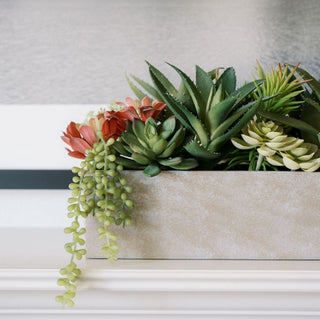
Breaking the spiral requires shifting focus from novelty to longevity. This means investing in pieces that anchor a room rather than compete with it. A well-made sofa in a neutral fabric. A natural fiber rug that improves with age. Sculptural greenery that adapts across seasons. These aren't trend-driven purchases. They're foundational pieces that support everything around them without demanding constant recalibration.
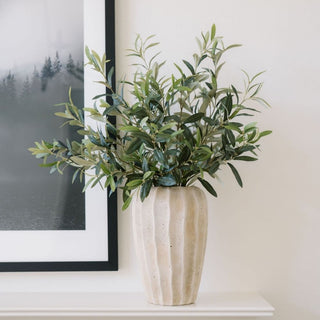
Transitional decor functions the same way. A faux olive tree works in a minimal room or a layered one. A simple vessel shifts depending on what surrounds it. These pieces don't trigger the Diderot Effect because they don't disrupt equilibrium. They create it. This is why intentional decorating prioritizes adaptability over novelty. At CG Hunter, this philosophy guides how we curate pieces that function as anchors rather than interruptions, allowing rooms to evolve without destabilizing their foundation.
Statement Fatigue in Interior Design and the Move Toward Hierarchy
Designers have started using the term "statement fatigue" to describe what happens when too many focal points compete within a single space. A bold rug, an oversized piece of art, a sculptural light fixture, a dramatic plant, all in the same room. Each element demands attention. None of them register because they're competing rather than complementing.
Statement fatigue isn't about rejecting bold design. It's about understanding visual hierarchy. A room functions best when one or two elements create focal points and everything else defers. The bold gesture becomes intentional rather than overwhelming. The surrounding pieces provide breathing room. This requires editing, which is harder than adding. But it's what separates a considered space from a chaotic one.
The broader movement in 2026 reflects this shift. Design is moving away from both stark minimalism and overstimulating maximalism toward something more flexible. Homes that feel warm without feeling cluttered. Spaces that allow personality without demanding constant visual processing. This isn't a new trend. It's a return to the principles that have always made interiors feel livable: proportion, restraint, and negative space.
Negative space is not emptiness. It's the breathing room that allows individual elements to register. A console with a single vase reads as intentional. A console crowded with objects reads as indecision. The difference is editing. And editing requires clarity about what a space needs versus what feels temporarily satisfying to add.
When Redesign Is Emotional, Not Aesthetic

Redecorating after a breakup. Rearranging furniture after a career shift. Purging belongings during a personal growth phase. These aren't aesthetic decisions. They're symbolic recalibrations. The space no longer reflects who you are, so it gets changed to align with who you're becoming.
This kind of redesign serves a purpose. It creates psychological distance from the past and physical alignment with a new identity. The bedroom gets repainted. The living room gets rearranged. Objects tied to a previous version of yourself get removed. The home becomes a tool for transition rather than a static backdrop.
But impulsive redesign during emotional upheaval can also create waste. Replacing everything in a moment of clarity often results in purchases that don't hold up once the emotional intensity fades. The key is distinguishing between change that supports growth and change that simply distracts from discomfort. Understanding why you keep redecorating helps clarify whether the impulse is serving you or cycling you through unnecessary replacement.
Intentional decor allows for emotional transitions without requiring complete overhaul. A room built on a strong foundation can absorb change. The sofa stays. The rug stays. The art changes. The accessories shift. The space adapts without losing structure. This approach honors the emotional need for recalibration while avoiding the cycle of impulsive replacement that leads to more dissatisfaction down the line.
Designing Homes That Evolve Without Overhauling
The goal isn't to stop redecorating. It's to design spaces flexible enough that small shifts feel meaningful without requiring constant reinvention. This starts with identifying emotional triggers before making purchases.
Ask: Is this restlessness about the space, or about something else? If the urge to redecorate appears after a difficult week, a life transition, or exposure to curated images online, the impulse may not be spatial. It may be emotional. Recognizing this doesn't eliminate the desire to change something. But it creates a pause long enough to determine whether replacement is the right response.
Editing is often more effective than adding. Remove the accessories that no longer serve the room. Rearrange furniture to shift the flow. Swap out textiles for the season. These changes cost nothing and often create more impact than new purchases. They also clarify what the space actually needs versus what feels temporarily appealing.
When purchases are necessary, prioritize pieces that adapt. Faux greenery transitions across seasons. Neutral linens support multiple color palettes. Simple vessels work with bold styling or restrained compositions. These aren't trend pieces. They're tools that support flexibility without locking you into a single aesthetic. This is why transitional pieces form the foundation of intentional decorating.
This is the philosophy behind transitional design. Not designing for one moment, but designing for how taste and life evolve over time. A home built this way doesn't require constant overhaul. It shifts gradually, accommodating growth without destabilizing the foundation.
Designer Answers: The Psychology of Redecorating

Why do I constantly want to redecorate my home?
The urge to redecorate is often tied to identity and emotional transition rather than aesthetics. Homes reflect how we see ourselves, and when that perception shifts, the space can feel misaligned. Additionally, the Diderot Effect creates a cycle where one new purchase makes everything else feel inadequate, triggering a cascade of dissatisfaction and replacement.
What is the Diderot Effect in interior design?
The Diderot Effect describes how one new possession shifts perception of everything around it, creating dissatisfaction with previously acceptable items. In home design, this appears when a single purchase triggers a redesign spiral. A new sofa makes the old rug look dated. A fresh lamp highlights how tired the side table appears. The pattern continues until the entire room has been replaced.
What is statement fatigue?
Statement fatigue occurs when too many focal points compete for attention within a single space. Bold rugs, oversized art, dramatic plants, and sculptural lighting all in one room create visual overwhelm. Effective design requires hierarchy: one or two elements create focal points while everything else defers, allowing the bold gestures to actually register.
How do I redecorate with intention?
Start by identifying whether the urge to change is spatial or emotional. If it's emotional, editing often works better than adding. Remove accessories that no longer serve the space, rearrange furniture, or swap textiles. When purchases are necessary, prioritize adaptable pieces that transition across seasons and aesthetics rather than trend-driven items that lock you into a single moment.
How can home decor reflect personal growth?
Homes naturally shift during life transitions because they serve as physical extensions of identity. Redesign after a breakup, career change, or personal growth phase creates symbolic distance from the past and alignment with who you're becoming. Intentional decor allows for these transitions without requiring complete overhaul by building on a strong foundation that absorbs change through editing rather than replacement.
What interior design trends are replacing minimalism?
The shift is toward homes that feel warm without clutter and spaces that allow personality without overstimulation. This isn't a rejection of restraint but a recognition that restraint and warmth aren't mutually exclusive. Both quiet luxury and loud luxury respond to this by emphasizing proportion, material quality, and editing over visual emptiness or excess.
Why does one new item make my whole room feel wrong?
This is the Diderot Effect in action. A new piece shifts your perception of everything around it, making previously acceptable items suddenly feel mismatched or inadequate. The solution isn't to replace everything but to build rooms on foundational pieces that anchor the space. When the foundation is strong, new additions integrate rather than disrupt.
Homes as Reflection, Not Performance
The most useful shift in thinking about home design is understanding that spaces function as mirrors. They reflect identity, priorities, and how we want to feel. When those things change, the space often needs to change with them. But the change doesn't have to be dramatic or expensive. It simply needs to be intentional.
Trends will continue to cycle. Minimalism will give way to something else, which will eventually circle back. But homes designed with clarity about what they're meant to support, rather than what they're meant to signal, remain stable through those shifts. They adapt without requiring overhaul. They evolve without losing coherence.
This is the difference between designing for a moment and designing for a life. One requires constant reinvention. The other allows for gradual, meaningful change. And the latter is what actually creates the sense of alignment people are searching for when they feel the urge to redecorate.
Explore more perspectives on intentional design and thoughtfully curated pieces throughout the CG Hunter Designer Journal and collection. Follow @CGHunterHome on Instagram, Pinterest, TikTok, and Substack for daily inspiration on creating homes that honor flexibility, restraint, and timeless beauty. For wholesale inquiries, shop CG Hunter on FAIRE.