How to Create a Beautiful, Pet-Safe Home Without Compromise
As National Love Your Pet Day approaches on February 20, the question of how to design beautiful, pet-safe homes comes into sharper focus. Pet owners face a recurring design dilemma: the houseplants that create the most visual impact are often the ones that pose the greatest risk to cats and dogs. Snake plants, monsteras, fiddle leaf figs, and philodendrons dominate design blogs and curated interiors, but they're also among the most common toxic houseplants for cats and dogs. The conflict isn't aesthetic. It's practical. You want a home that feels warm, layered, and alive with greenery. But not at the expense of your pet's safety.
The conversation around pet-friendly plants tends to focus on identifying "safe" species. But safe plant lists are incomplete. They address toxicity without accounting for soil exposure, fertilizer chemicals, mold growth, or the simple fact that pets chew things. Even non-toxic plants for pets can cause digestive upset, choking hazards, or introduce pesticides into your home. The safest solution isn't finding the right live plant. It's eliminating the variables entirely.
This is where faux greenery offers a different approach. Not as a compromise, but as a design tool that removes toxicity and chemical exposure risks while maintaining the visual warmth and structure that greenery provides. Faux plants don't require soil, fertilizer, or water. They don't grow mold. They don't shed leaves that pets can ingest. And critically, high-quality faux greenery delivers the same aesthetic impact as live plants without the ongoing concern about toxic compounds your pet might encounter when you're not watching. For pet owners who value both design and peace of mind, this distinction matters.
Why Popular Houseplants Are Toxic to Cats and Dogs

The most sought-after houseplants in interior design are frequently the most dangerous for pets. Snake plants, monsteras, fiddle leaf figs, and philodendrons appear consistently in design editorials, Instagram styling, and curated home tours. They're architecturally striking, relatively low maintenance, and visually versatile. But they're also toxic to both cats and dogs.
Snake plants contain saponins, compounds that cause nausea, vomiting, and diarrhea when ingested by cats or dogs. Monsteras and philodendrons contain calcium oxalate crystals, which cause oral irritation, excessive drooling, difficulty swallowing, and vomiting in both species. Fiddle leaf figs produce a sap that irritates skin and digestive systems. The severity varies depending on the amount ingested and the size of the pet, but the risk is consistent across both cats and dogs.
What surprises many pet owners is how common these plants are in design contexts. A snake plant might be recommended as a beginner-friendly option in one article and flagged as toxic in another. The disconnect exists because design advice and pet safety advice rarely converge. Designers prioritize visual impact. Pet safety resources prioritize toxicity. The result is confusion about which plants are actually safe to bring into a home with animals.
The Farmers' Almanac maintains a comprehensive list of toxic houseplants, noting that many popular species pose varying degrees of risk to both cats and dogs. The list includes plants commonly marketed as low-maintenance or suitable for beginners, which increases the likelihood that pet owners purchase them without realizing the potential danger. The assumption is that if a plant is widely available and frequently recommended, it must be safe. That assumption doesn't hold.
Why Pet-Safe Plant Lists Are Incomplete
Even when pet owners consult safe plant lists, the guidance is limited. A plant may be classified as non-toxic, but that classification doesn't account for the conditions in which the plant is grown or maintained. Fertilizers, pesticides, and soil treatments introduce chemicals that pets can ingest. Overwatering leads to mold growth, which can trigger respiratory issues or allergic reactions. And chewing on any plant, toxic or not, can cause digestive upset or create a choking hazard.
Feline-specific guidance from veterinary sources emphasizes that cats are particularly vulnerable because they're more likely to chew on plants out of curiosity or boredom. Dogs, especially puppies, exhibit similar behavior. The plant itself may not be the issue. The soil, the water runoff, or the plant's interaction with household cleaning products can all introduce variables that safe plant lists don't address.
This is why the question isn't just "Is this plant toxic?" It's "What are all the ways this plant could create risk?" Live plants require ongoing maintenance. That maintenance involves substances pets can access. Even a non-toxic plant becomes a potential issue if it's treated with chemicals, sits in standing water, or sheds leaves that accumulate on the floor.
Soil, Fertilizers, Mold, and Chewing Risks

Beyond the plant itself, live greenery introduces environmental factors that complicate pet safety. Potting soil often contains perlite, vermiculite, or fertilizers that cause digestive distress if ingested. Cats and dogs dig in soil, either out of curiosity or instinct. Even a small amount consumed can lead to vomiting or intestinal blockage.
Fertilizers present a more serious risk. Many formulations contain nitrogen, phosphorus, and potassium in concentrations that are harmful to pets. Organic fertilizers, while marketed as safer, can include bone meal, blood meal, or fish emulsion, all of which attract pets and cause toxicity when consumed. The fertilizer doesn't need to be ingested directly. Residue on leaves or in soil can transfer to paws, fur, or mouths during grooming.
Mold growth is another variable. Overwatered plants develop mold in soil or on pot surfaces. Pets with respiratory sensitivities or compromised immune systems can react to mold spores. This risk increases in homes with poor ventilation or high humidity, conditions that also encourage plant growth. The plant may be non-toxic, but the environment it creates isn't neutral.
Chewing is the most unpredictable factor. Pets chew for reasons that have nothing to do with hunger: boredom, teething, stress, or simple curiosity. A non-toxic plant can still cause choking, intestinal blockage, or gastrointestinal upset if ingested in large amounts. The safest plant is still a risk if your pet decides to eat it.
Why Faux Plants Eliminate Toxicity and Chemical Exposure Risks
Faux greenery removes the toxicity and chemical exposure variables associated with live plant ownership. There's no soil to dig in. No fertilizer to ingest. No mold to grow. No water runoff to track through the house. And critically, no plant compounds like saponins or calcium oxalate crystals that cause toxicity when chewed or ingested by cats and dogs.
High-quality faux plants are constructed from polyester, plastic, or fabric materials that don't contain the toxic compounds found in live plants. This eliminates the specific chemical risks that make snake plants, monsteras, and philodendrons dangerous for pets. However, it's important to note that faux plants are not edible, and monitoring pets around all home decor is recommended. While faux greenery removes toxicity risks, ingestion of faux material could still cause mechanical blockage or digestive upset if consumed in large amounts.
This distinction matters. The goal is to eliminate the specific, preventable risks that come from introducing toxic compounds and chemical treatments into a pet's environment. A faux snake plant offers the same architectural structure and visual impact as a live one without the saponin content that causes nausea and vomiting in both cats and dogs. A faux monstera provides the same bold, tropical aesthetic without the calcium oxalate crystals that irritate oral tissues in both species.
For pet owners who've avoided greenery entirely out of concern for safety, faux plants reopen design possibilities with clarity and confidence. You can style a faux fiddle leaf fig in a living room corner without worrying about toxic sap if your cat knocks it over. You can place a faux philodendron on a low shelf without concern that your dog will ingest calcium oxalate crystals during a moment of boredom.
The flexibility extends to placement. Live plants require specific light conditions, which often dictates where they can be positioned. Faux plants don't. You can place greenery in dark corners, windowless bathrooms, or high-traffic areas where live plants would struggle. This allows for more intentional styling without compromising either design or safety.
Allergy-Friendly Benefits Beyond Pet Safety

Faux plants also address a secondary concern for many households: allergies. Live plants can trigger allergic reactions through pollen, mold spores, or the release of volatile organic compounds. For homes with pets and family members who experience seasonal or environmental allergies, live greenery can compound respiratory issues rather than alleviate them.
As discussed in Goodbye Allergies, Hello Faux Plants, faux greenery eliminates pollen and mold exposure while still providing the visual warmth and biophilic design benefits associated with greenery. This makes faux plants particularly valuable during spring allergy season, when outdoor pollen counts are high and indoor air quality becomes a priority.
The layered benefit is significant. You're not just protecting pets from toxicity. You're creating a cleaner, more controlled indoor environment that supports respiratory health for everyone in the household. The design doesn't suffer. The home feels just as layered and organic. But the variables that create discomfort or risk are removed.
Designing Pet-Friendly Spaces That Still Feel Elevated
The concern many designers and homeowners have about faux greenery is that it will look artificial or compromise the refined aesthetic they're working to achieve. This concern is valid when applied to low-quality faux plants. Poorly constructed greenery looks flat, shiny, or overly uniform. It doesn't fool the eye, and it doesn't contribute to the organic, lived-in quality that makes a space feel warm.
High-quality faux greenery operates differently. The construction includes varied leaf shapes, natural color gradation, and textural detail that mimics how live plants actually grow. A well-made 30-inch faux snake plant has the same upright, sculptural presence as a live one. A 5-foot faux monstera tree offers the same bold, tropical impact without the maintenance or toxicity concerns.
The key is understanding that faux greenery isn't an imitation of live plants. It's a considered design decision that serves the same visual and spatial function without the variables that create risk or require ongoing care. As explored in Why Buy Fake Plants, the decision to use faux greenery is about aligning design choices with how you actually live. If you have pets, travel frequently, or simply don't want to manage the upkeep of live plants, faux greenery removes those barriers without compromising the aesthetic outcome.
This philosophy extends to styling. Faux plants work in the same design contexts as live ones. A 3-foot faux potted fiddle leaf fig anchors a living room corner the same way a live one would. A faux snake plant and fern combination provides layered texture on a console or side table. The placement, the scale, the proportion all function identically. The difference is in what happens after the styling is complete. Faux plants stay consistent. They don't grow, wilt, or require repositioning based on light exposure.
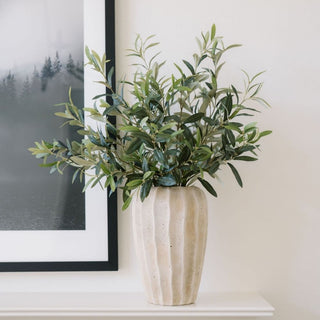
For pet owners specifically, this consistency is valuable. You can style pet safe home decor in areas where pets spend time without constant vigilance. A faux olive tree in a pet-friendly entryway, as highlighted in National Pet Day: Olive, creates a welcoming, organic focal point without introducing risk. The design reads as intentional. The space feels layered and warm. And the pet can move through the area freely without concern.
Spring Transition and Low-Maintenance Seasonal Styling

Spring is the season when the urge to refresh a home with greenery is strongest. Outdoor landscapes come alive, and the desire to bring that vitality indoors intensifies. But spring is also peak allergy season, which complicates the introduction of live plants for households managing respiratory sensitivities or pet health concerns.
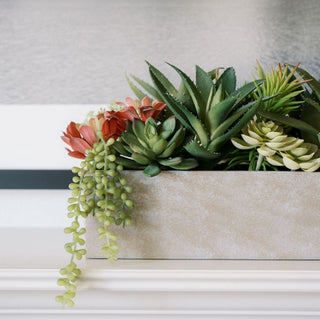
Faux greenery offers a low-maintenance solution that aligns with seasonal transitions without introducing allergens or toxicity. A collection of faux succulents, for instance, provides the fresh, organic aesthetic associated with spring styling while remaining entirely low-maintenance and safe for both cats and dogs. The visual refresh happens without the variables that create ongoing concern.
This is where transitional styling becomes particularly relevant. Spring doesn't require a complete overhaul. It requires small, intentional shifts that acknowledge the season without locking you into a temporary aesthetic. Faux greenery supports this approach because it doesn't change. You can layer it with seasonal textiles, swap out accessories, or adjust placement based on how you're using the space. The greenery remains constant, providing structure while everything around it evolves.
For pet owners, this flexibility removes the seasonal pressure to choose between design and safety. You don't have to avoid greenery during spring because of allergy or toxicity concerns. You can create a seasonal refresh with the same visual warmth and layered styling that design editorials suggest, with the added assurance that your pets won't encounter harmful compounds, allergens, or chemical treatments in the process. The result is pet-friendly plants for dogs and cats that support flexible, low-maintenance styling year-round.
Designer Answers: Pet-Friendly Plants and Faux Greenery
Are snake plants toxic to cats and dogs? Yes, snake plants contain saponins and are toxic to both cats and dogs. Ingestion causes nausea, vomiting, and diarrhea in both species. Even small amounts can trigger digestive upset. Faux snake plants provide the same architectural structure without the saponin content that creates toxicity risk for cats and dogs.
Are monsteras toxic to cats and dogs? Yes, monsteras contain calcium oxalate crystals and are toxic to both cats and dogs. Ingestion causes oral irritation, excessive drooling, vomiting, and difficulty swallowing in both species. Faux monsteras offer the same bold, tropical aesthetic without the calcium oxalate crystals that harm both cats and dogs.
Are faux plants safe for pets? Faux plants eliminate the toxicity risks associated with live plants because they don't contain saponins, calcium oxalates, or other harmful plant compounds. They also remove soil, fertilizer, mold, and chemical exposure risks. While faux plants are not edible and monitoring pets around all decor is recommended, they don't pose the same toxic chemical risks as live plants. Ingestion of faux material could cause mechanical blockage or digestive upset, so supervision is still important.
What plants are safe for pet owners? While some live plants are classified as non-toxic, they still introduce variables like soil, fertilizers, mold, and chewing hazards that can affect pet health. Faux plants remove toxicity, chemical exposure, and allergen risks while providing the same visual and spatial benefits. For pet owners prioritizing safety, faux greenery is the most reliable option for creating pet safe home decor.
Are fake plants safer than real plants? Faux plants eliminate toxicity from compounds like saponins and calcium oxalates, soil exposure, fertilizer chemicals, mold growth, and water hazards that come with live plant ownership. They don't require pesticides or treatments that pets can ingest. While faux plants are not edible and should not be consumed, they remove the specific chemical and biological risks associated with toxic houseplants for cats and dogs.
Can dogs chew fake plants? Dogs can chew faux plants, and while faux greenery doesn't contain toxic compounds, ingestion of faux material is not recommended and could cause mechanical blockage or digestive upset if consumed in large amounts. Monitoring pets around all home decor is important. The key difference is that faux plants don't introduce the saponins, alkaloids, or calcium oxalates found in toxic live plants like snake plants, monsteras, and philodendrons.
Do faux plants trigger allergies? No, faux plants don't produce pollen or mold, the two primary allergens associated with live greenery. This makes them particularly valuable during spring allergy season or for households with respiratory sensitivities. Faux greenery provides biophilic design benefits without compromising indoor air quality or introducing allergens that affect both pets and people.
What is the safest way to decorate with plants and pets? The safest approach is using high-quality faux greenery that eliminates toxicity from plant compounds, soil exposure, fertilizer risks, and allergen concerns. While monitoring pets around all decor is recommended, faux plants allow you to style boldly and intentionally without concern about toxic chemicals or biological hazards. They offer the same visual warmth and structure as live plants while removing the chemical and environmental variables that create ongoing safety concerns for both cats and dogs.
Pet-Friendly Design Without Compromise

The goal of pet-friendly design isn't to eliminate beauty or visual interest. It's to create spaces that support both aesthetic priorities and the practical realities of living with animals. Faux greenery makes this possible by removing the specific toxicity and chemical exposure risks associated with live plants while maintaining the design impact that makes greenery valuable in the first place.
For pet owners who've avoided styling with greenery entirely, faux plants reopen possibilities. You can layer texture, introduce organic form, and create visual warmth without constant concern about what toxic compounds your pet might ingest. The design feels intentional. The space feels alive. And the safety concerns that once limited your choices no longer apply.
This is the difference between compromise and solution. Compromise means accepting less than what you want. Solution means finding a different path to the same outcome. Faux greenery is a solution. It delivers the aesthetic, the warmth, and the structural benefits of live plants without the toxicity, allergens, or chemical treatments that create ongoing concern. For pet owners designing homes that feel both beautiful and safe, that distinction matters.
Explore more pet-friendly and transitional decor throughout the CG Hunter collection. Follow @CGHunterHome on Instagram, Pinterest, TikTok, and Substack for daily inspiration on intentional, adaptable design. For wholesale inquiries, shop CG Hunter on FAIRE.