How to Create an Elegant Easter Gathering Without the Clutter
Easter arrives on April 5, 2026. It's a holiday that asks homes to acknowledge spring without succumbing to novelty. The challenge isn't finding decorative eggs or pastel accents. The challenge is creating a table that feels seasonally appropriate without requiring complete dismantling the day after. Easter entertaining centers around brunch gatherings shared with family and friends, and the table you set determines whether the meal feels considered or cluttered.
The transition from winter to spring is visible in lighter textiles, fresh greenery, and restraint that allows a few intentional gestures to carry the entire table. A floral centerpiece. Layered linens in soft tones. Simple vessels that support rather than compete. These elements create a table designed for lingering conversations, not just a single holiday.
Soft greens, blush, and cream create a palette that transitions beyond April. Linen, wood, and glass anchor the table without novelty. The centerpiece establishes mass and sightlines, not height alone. What stays after Easter: sculptural greenery, layered textiles, refined vessels.
The Foundations of Easter Table Design

Easter tables often revolve around a central floral or decorative centerpiece that anchors the table design. This isn't arbitrary. The Easter centerpiece establishes scale, provides a focal point, and sets the tone for everything surrounding it. When executed well, it allows the rest of the table to remain relatively simple. Serving dishes, dishware, and place settings can be understated because the centerpiece does the visual work.
Mix-and-match patterns and textiles create a table that feels collected and relaxed rather than overly formal. This approach works particularly well for Easter because the holiday sits between winter's heavier entertaining and summer's casual outdoor meals. The Easter table setting should feel transitional, capable of supporting both formal brunch and relaxed family gathering.
Nature-inspired materials and textures such as wood, wicker, branches, and greenery form the foundation of effective Easter styling. These materials reference the season without requiring literal Easter imagery. A wooden charger feels spring-appropriate. A woven placemat introduces texture. Branches with early buds bring the outdoors in. These elements work because they're rooted in the natural world rather than commercial holiday symbolism.
The most important principle is that even small gatherings benefit from intentional tablescaping, which helps elevate the holiday meal experience. The effort doesn't need to be extensive. A simple linen tablecloth, a single substantial centerpiece, and thoughtful place settings create more impact than elaborate decor spread across every surface.
Celebrating Spring Through Seasonal Restraint
Pastel color palettes and floral arrangements help reinforce the connection to spring, but they work best when applied with restraint. The goal isn't to recreate a pastel explosion. It's to introduce soft color that feels seasonally appropriate without overwhelming the senses. Blush napkins on a cream tablecloth. Soft green stems in clear glass. Peach-toned chargers under white plates. These small gestures acknowledge the season without dictating the entire aesthetic.
A grey and green lilies tablecloth provides botanical pattern and soft color without reading as explicitly Easter. The design remains appropriate through May, supporting both holiday meals and everyday dining. This is the kind of foundation that allows seasonal styling to feel intentional rather than temporary.
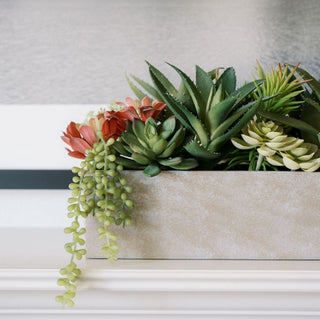
Greenery functions as the structural anchor. Rather than scattering small arrangements across the table, position one substantial centerpiece. An orchid with succulents offers sculptural presence and organic form without maintenance concerns. The orchid provides vertical line. The succulents introduce texture. Together, they create a focal point that supports the table without overwhelming it.
High-quality faux botanicals remain consistent. A centerpiece styled in early April stays fresh through the entire month. No wilting, no water changes, no concern about whether the arrangement will hold up through the meal.
Easter Table Setting Ideas for Brunch 2026

Layered table linens add texture and dimension to the spring tablescape. Start with a tablecloth that establishes the foundation. Add placemats if the table benefits from additional structure. Introduce napkins that either complement or contrast with the base layer. The layering creates visual interest without requiring additional decor, and it's practical for brunch service where spills and serving dishes demand functional surfaces.
Soft greens, blush tones, and cream create a palette that feels spring-appropriate without pastel overload. These colors work with white dishware, natural wood, and understated elegance. They also photograph well in natural light, which matters for Easter gatherings that typically take place during late morning or early afternoon.
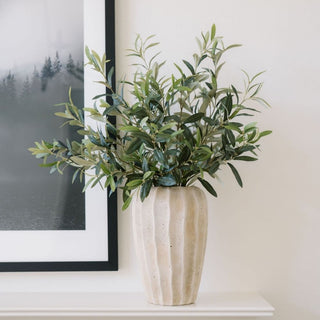
Modern glass bud vases function as both individual place settings and collective styling. Position one at each seat with a single stem, or cluster several down the center. The vases adapt seamlessly from Easter tulips to summer greenery to autumn branches. This is transitional design at its most practical: one investment supports multiple seasons.
Glass introduces light. Clear or lightly tinted vessels catch sunlight and create subtle variation across the table. This is particularly valuable for spring entertaining, when the goal is to let the season into the space rather than decorate around it. The vases don't compete with the centerpiece. They support it, creating continuity and rhythm without adding clutter.
Easter Centerpiece Ideas That Last Through Spring
The centerpiece establishes proportion for everything else on the table. If it's too large, guests can't see each other across the table. If it's too small, it disappears beneath serving dishes. The ideal centerpiece is substantial enough to register as intentional but low enough to allow conversation. Height matters less than mass and form.
Faux florals eliminate timing concerns. You can style the centerpiece days in advance without worry about freshness. No shedding petals, no leaking water, no repositioning halfway through the meal. This practical advantage allows you to finalize the table before guests arrive rather than rushing through last-minute assembly.
The key is realism. Poorly constructed faux flowers undermine refinement. High-quality pieces with varied petal shapes, natural color gradation, and textural detail hold up under scrutiny. An orchid arrangement provides elegance and presence without the fragility of live blooms. It's a design tool, not a decorative shortcut.
For those exploring cool or warm Easter decor, the centerpiece often determines direction. Whites, creams, and soft greens create a cooler, more restrained palette. Blush, peach, and warmer metallics introduce softness and approachability. Neither is inherently better. The decision depends on your existing tableware, the light in your dining space, and whether you prefer tables that feel crisp or inviting.
What's Coming: New Floral Stems for Spring Entertaining

CG Hunter is introducing a collection of faux floral stems later this year designed for seasonal entertaining. These stems prioritize realistic construction, natural color variation, and sculptural quality that allows individual blooms to function as centerpiece elements rather than filler.
The upcoming collection includes stems with varied petal structures, organic movement, and textural detail that holds up in natural light. They're designed to support layered, intentional styling, whether clustered in a substantial centerpiece or positioned individually in glass vessels. The stems provide organic warmth and seasonal presence without clutter. More details will be available as the collection launches.
Incorporating Easter Motifs Without Novelty
Classic Easter motifs such as eggs, rabbits, nests, and spring animals remain central to seasonal decorating, but they work best when executed with restraint. The problem arises when these motifs become focal points rather than subtle accents.
The most successful Easter tables use natural materials to reference the holiday without literal imagery. Nests made from twigs or woven fibers. Eggs displayed in a simple bowl. Greenery that suggests renewal and growth. These gestures acknowledge Easter while maintaining refined aesthetics that allow the table to function beyond a single day.
For families with children, allow playfulness without sacrificing design clarity. A small basket at each child's seat. A few pastel-toned elements mixed into an otherwise neutral table. The key is proportion. Let the whimsical elements support the broader design rather than define it.
As explored in Easter gifting traditions, the holiday carries cultural and familial significance beyond decor. The Easter tablescape you create reflects how you honor those traditions, and the most meaningful tables feel personal rather than prescribed.
Designing a Table That Encourages Gathering

The atmosphere of Easter hosting focuses on comfort, hospitality, and relaxed entertaining. Tables and decor are designed to support a leisurely gathering experience where guests linger and enjoy the meal together. This requires thinking beyond aesthetics to consider how the table functions.
Tables designed for gathering prioritize accessibility over perfection. The centerpiece is substantial but low enough not to obstruct sightlines. Linens are beautiful but practical enough to withstand spills. The composition feels inviting rather than precious. This is the difference between a table styled for a photograph and a table designed for a meal.
Lighting matters. Natural light is ideal for spring brunch, but if your dining space lacks windows, consider how overhead or ambient lighting interacts with your table. Glass vases catch and refract light. Lighter linens brighten the space. Greenery introduces organic warmth. These small decisions compound to create an atmosphere that feels open and welcoming.
What Stays After Easter
The test of good Easter styling is whether it requires explanation on April 6. If a guest asks why you're still decorated for Easter in late April, something went wrong. The pieces that hold up are the ones that were never exclusively Easter to begin with.
Layered linens remain. Quality vessels remain. Sculptural greenery remains. The foundation stays constant while specific details shift. By May, the orchid centerpiece might be replaced with a simpler arrangement, but the vases, tablecloth, and overall sense of refined restraint continue. Nothing feels leftover because nothing was temporary.
This approach aligns with broader Easter decorating principles that prioritize longevity over novelty. The goal is building a foundation that supports spring entertaining for the entire season, with Easter serving as one particularly intentional expression of that foundation.
Designer Answers: Easter Decorating and Spring Tables

What is trending for Easter 2026? Many editorial tables in recent seasonal entertaining coverage emphasize natural materials, layered textures, and refined restraint over novelty decor. Expect botanical patterns, sculptural greenery, soft color palettes, and tables designed for gathering rather than performance. The movement is away from literal Easter symbols toward seasonal elements that transition beyond the holiday.
Why does Easter change in 2026? Easter is a movable feast determined by the lunar calendar. It falls on the first Sunday following the first full moon after the spring equinox. In 2026, Easter arrives on April 5. The date shifts each year, which is why Easter decor benefits from seasonless foundations that work regardless of whether the holiday falls in late March or mid-April.
What Easter decorations are showing up in seasonal coverage? Recent design editorials feature layered table linens, faux floral centerpieces with realistic construction, natural fiber textures like jute and linen, sculptural greenery positioned as architectural elements, and soft spring color palettes in greens, blush, and cream. The emphasis is on quality materials and restrained styling over themed clutter.
What sells most on Easter? Table linens, floral centerpieces, decorative vessels, and entertaining essentials sell well during Easter. Shoppers prioritize items that support gatherings and spring entertaining rather than single-use novelty decor. Quality faux botanicals, refined tableware, and pieces that transition beyond the holiday perform particularly well.
What is the fate for Easter 2026? Easter 2026 falls on April 5, positioning it in early spring when natural light is strengthening and outdoor dining becomes possible in many regions. This timing favors lighter color palettes, fresh greenery, and tables designed to bring the season indoors. Expect entertaining to emphasize brunch gatherings and relaxed, extended meals.
What homemade item sells the most? During Easter, handmade centerpieces, decorated eggs, and DIY place settings remain popular. However, many hosts are shifting toward high-quality pre-made items that offer personalized aesthetics without time investment. Faux floral arrangements and curated tablescapes that feel custom but eliminate maintenance are increasingly favored.
How do you decorate an Easter egg in 2026? Decorating Easter eggs in 2026 follows both traditional and modern approaches. Natural dyes, botanical prints, and minimalist patterns appear in recent design coverage for those seeking a refined aesthetic. For families, classic techniques like dyeing, stickers, and hand-painting remain popular. The key is deciding whether eggs serve as activity or decor, and styling accordingly.
Spring Entertaining Beyond the Holiday
Easter offers a framework for thinking about spring entertaining more broadly. The principles that make an Easter table work apply to any seasonal gathering. The table you set for Easter brunch can support Mother's Day, graduation celebrations, or simple weekend meals with minimal adjustment.
For those planning Easter brunch, the opportunity lies in recognizing that the pieces you choose now will shape how you entertain for months. A quality tablecloth supports countless meals. Sculptural greenery anchors tables regardless of the occasion. Refined vessels work with spring tulips, summer herbs, and autumn branches. The investment isn't seasonal. It's foundational.
That's the difference between decorating for Easter and designing for spring. One peaks on a single day. The other supports how you live for an entire season.
Explore layered linens, sculptural botanicals, and refined vessels throughout the CG Hunter collection, designed to support spring entertaining and seasonal gatherings with intention and clarity. Follow CG Hunter on Instagram, Pinterest, TikTok, and Substack for perspectives on designing tables that welcome, endure, and transition seamlessly across the season. Select pieces are available through our Amazon storefront. For wholesale inquiries, visit us on Faire.