Paula Senior, CG Hunter, and What Women-Led Businesses Understand About Longevity
International Women's Day arrives on March 8. It's a moment to acknowledge not just achievement, but the particular way women build businesses: with patience, with clarity, and with the understanding that legacy requires more than momentum. It requires vision that extends beyond quarterly growth and trend cycles. It requires the willingness to make decisions that won't show their value immediately but will hold up over time.
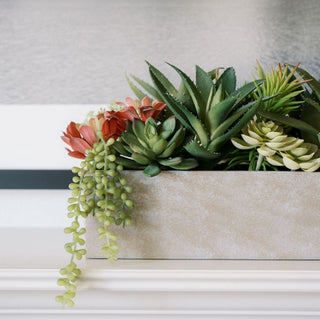
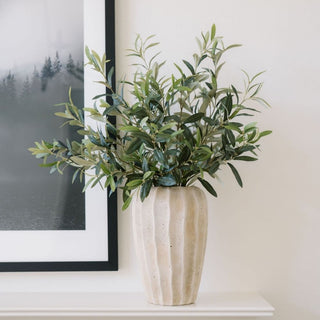
Paula Senior founded CG Hunter with a specific intention: to create faux botanicals that function as architectural elements rather than decorative shortcuts. The company's name itself reflects that foundation, derived from her grandchildren's initials. What began as a family-rooted vision has grown into a business known for quality, realism, and the kind of restraint that defines quiet luxury. But the story behind CG Hunter is less about product and more about the leadership principles that shape how women-owned businesses operate differently.
Tara Steffen, CG Hunter's Sales and Marketing SVP, has worked alongside Paula Senior for over three years and known the family since 2007. Her perspective offers insight into what it actually means to build and lead a women-run company in an industry where visibility, trend cycles, and rapid scaling often overshadow the slower, more deliberate work of building something that lasts.
What Women-Led Businesses Understand About Structure

"CG Hunter feels like family to me," Steffen says. "I've been in awe of their business instincts, kindness, and willingness to test and try new strategies." The word "kindness" might seem out of place in a business context, but it's precisely the quality that distinguishes how many women-led companies operate. Compassion and enthusiasm are often underestimated in leadership, yet research shows that women leaders consistently prioritize long-term sustainability, employee retention, and values-driven growth over short-term gains.
This approach mirrors the way thoughtful design works. You don't build a home by chasing trends or filling every surface. You build it through editing, intention, and choices that support how you actually live. Paula Senior's leadership reflects this same clarity. The focus isn't on scaling quickly or dominating market share. It's on creating products designed to last, adapt, and serve real needs rather than manufactured desires.
Statistics show that women-owned businesses grow faster and employ more people per capita than many male-owned firms, yet they receive disproportionately less funding and institutional support. The disconnect isn't about capability. It's about which business models receive recognition and which ones are dismissed as too slow, too values-driven, or too focused on sustainability over disruption.
Paula Senior's approach to building CG Hunter exemplifies this alternative model. The business isn't built on rapid expansion or trend domination. It's built on quality materials, meticulous construction, and the understanding that customers want design tools, not decorative distractions. That clarity has shaped every decision, from product development to how the brand communicates with its audience.
The Energy of Women Leading Women
"The energy is contagious and dynamic," Steffen describes. "It's a fast-moving environment where multitasking is the gold standard. There's a strong sense of collaboration and mutual support, and that momentum pushes everyone to bring their best every day."
This isn't the performative empowerment language that often accompanies discussions about women in business. It's a straightforward description of how the company functions. Women-run businesses often operate with a collaborative rather than hierarchical structure. As Newsweek reports, supporting women-owned businesses isn't just ethical, it's economically sound. Women entrepreneurs reinvest in their communities at higher rates, create stable employment, and build companies that weather economic shifts better than those focused solely on rapid growth.
Steffen has looked up to Paula Senior as an exceptional leader and businesswoman since they first met in 2007. "True leadership requires empathy, understanding, confidence, drive, and ambition," she says. "And I see those qualities demonstrated here every day." That combination, empathy alongside ambition, is what allows women-led businesses to prioritize both people and performance without treating them as competing priorities.
The parallel to home design is direct. A well-designed space supports both function and beauty. It doesn't sacrifice comfort for aesthetics or longevity for trend relevance. It integrates both through thoughtful editing and structural clarity. Women-led businesses often operate the same way, refusing to accept false binaries between profit and values, growth and sustainability, leadership and compassion.
Balancing Leadership, Motherhood, and Legacy

Steffen's experience as a working mother offers another dimension to understanding how women navigate leadership. She began traveling for work in 2000 and continued after becoming a mother in 2007. "Traveling has been invigorating," she reflects. "It's exposed me to people of different ages, demographics, religions, and cultures, and it has broadened my perspective in ways I deeply value."
The narrative around working mothers often focuses on guilt, sacrifice, and the impossibility of balance. But Steffen's perspective is more grounded. "I remember once picking up my six-year-old early from aftercare after traveling the week prior, and he didn't want to leave because he was having so much fun with his friends. In that moment, I knew he was thriving and that we were going to be just fine."
Balance, she notes, evolves as children grow. "Looking back now, with my son about to turn 18 and head to college, I sometimes wish I had slowed down a bit more. I also wish I hadn't stressed so much, because it truly does all work out." The saying "this too shall pass" has proven true time and again. "I genuinely believe I am a better mother because of working. It supports my mental well-being and fuels my creativity. For me, leadership and motherhood have strengthened each other rather than competed."
This perspective is valuable because it refuses the either/or framing that often dominates discussions about women in leadership. The question isn't whether women can lead and parent simultaneously. It's whether the structures around them support both, and whether they're willing to reject narratives that insist one must diminish for the other to thrive.
Paula Senior built a company while raising a family. The business is named for her grandchildren. That integration of family and work isn't a compromise. It's a foundational principle that shapes how the company operates and what it values.
What It Means to Build Something from the Ground Up
For women building businesses, Steffen's advice is direct: "Start now. Take the chance." She references Malissa Ford, President of CG Hunter, who often says, "There's the story in your head, and then there's the real story. Don't let the narrative you create in your mind hold you back. Take a step forward."
This guidance applies equally to design. The story in your head about how a room should look often prevents you from making the choices that would actually serve how you live. You delay the investment in quality pieces because the perfect moment never arrives. You avoid bold decisions because you're uncertain. But homes, like businesses, are built through incremental choices that compound over time.
Paula Senior didn't wait for perfect conditions to launch CG Hunter. She identified a need, built a product that served it, and grew the business with the same patience and clarity that defines her design philosophy. The result is a company that has weathered industry shifts, economic uncertainty, and changing consumer preferences because it was never built on trends. It was built on quality, intention, and the understanding that longevity requires structural integrity, not just surface appeal.
As Sheryl Sandberg notes, "Leadership is about making others better as a result of your presence." This is evident in how Paula Senior has built CG Hunter and how the women she leads describe working there. The energy is collaborative. The support is mutual. And the business reflects values that extend beyond profit.
Honoring Women's Leadership Through Action

International Women's Day isn't a decorating opportunity. It's a cultural moment that asks for reflection and, more importantly, action. The way to honor women's leadership isn't through performative gestures or temporary displays. It's through consistent choices that support women-owned businesses, recognize women's contributions to their industries, and prioritize companies built with intention over those built for rapid exit.
CG Hunter's journey as a women-owned and operated company exemplifies what's possible when women lead with clarity, patience, and the willingness to build slowly. The business hasn't achieved success by imitating male-dominated models of growth. It's achieved success by operating differently, prioritizing quality and sustainability, and understanding that legacy is built through hundreds of small, consistent choices rather than one dramatic breakthrough.
For those who want to support women-owned businesses thoughtfully, the approach is straightforward. Research the brands you purchase from. Understand their values. Make consistent choices throughout the year, not just during International Women's Month. Follow women-led businesses. Share their work when it resonates. Recommend them to others. Support isn't about visibility or announcements. It's about ongoing, intentional decisions that prioritize businesses built with purpose.
As Laurel Thatcher Ulrich writes, "Well-behaved women seldom make history." Paula Senior didn't build CG Hunter by following established formulas. She built it by trusting her vision, prioritizing quality, and understanding that the best businesses, like the best-designed homes, are built to last.
Designer Answers: Women's Leadership and Intentional Business
What makes women-led businesses different? Women-led businesses often prioritize long-term sustainability over rapid growth, reinvest in communities at higher rates, and build collaborative rather than hierarchical structures. They tend to value employee retention, ethical practices, and purpose-driven products alongside profitability. This approach creates more resilient companies that weather economic shifts better than those focused solely on short-term gains.
How do you support women-owned businesses beyond March? Make consistent purchasing decisions throughout the year. Research the brands you buy from and understand their values. Follow women-led businesses on social platforms and share their work when appropriate. Recommend them to others. Supporting women-owned businesses isn't about performative gestures during Women's History Month. It's about ongoing choices that prioritize intention and quality.
What does legacy mean in business? Legacy is built through hundreds of small, consistent decisions that prioritize quality, values, and long-term vision over short-term trends. It means investing in your team, your product, and your community even when faster growth is possible. Legacy businesses aren't built for rapid exit. They're built to serve, adapt, and remain relevant as industries evolve.
Can working motherhood and leadership coexist successfully? Yes, when structures support both and when women refuse narratives that frame them as competing priorities. Many women leaders report that working strengthens their leadership and their parenting by supporting mental well-being, fueling creativity, and modeling resilience and ambition for their children. Balance evolves over time and looks different for every family.
What advice would you give women starting a business? Start now. Don't let the narrative in your head hold you back from the real story you could create. As Mel Robbins says, "Start before you're ready." Test and try new strategies. Build with patience and clarity. Prioritize quality and values alongside growth. And understand that the businesses that last are built slowly, with intention, not rushed to market for quick scaling.
How does International Women's Day apply to home design? The principles that define women's leadership, intention, sustainability, long-term vision, quality over novelty, apply directly to how homes are designed. Spaces built with these values feel grounded and adaptable. They evolve without requiring overhaul. They're designed to support how you actually live rather than how a room should look. Honoring International Women's Day means making design choices that reflect these principles.
What role does empathy play in leadership and design? Empathy allows leaders to understand what their teams need to thrive and what their customers actually want rather than what's easy to sell. In design, empathy means creating products and spaces that serve real needs, remove barriers, and adapt to how people live. Both require listening, observing, and prioritizing substance over surface appeal.
What does it mean to build something that lasts? Building something that lasts requires rejecting trend cycles in favor of structural integrity. It means choosing quality materials, prioritizing craftsmanship, and making decisions based on long-term value rather than immediate gratification. In business and design, longevity is built through clarity, restraint, and the confidence to move slowly when everyone else is rushing.
Legacy Built Through Intention

The most meaningful way to honor International Women's Day is through continuity. Not grand gestures that disappear after March 8, but ongoing choices that support women-owned businesses, recognize women's contributions to leadership, and prioritize values alongside aesthetics. Paula Senior built CG Hunter with this understanding. The company isn't chasing trends or optimizing for rapid growth. It's building legacy through quality, intention, and the kind of patience that defines businesses built to last.
As Susan Jeffers writes, "Feel the fear and do it anyway." Starting a business requires courage. Leading with empathy requires confidence. Building something designed to endure requires the willingness to reject shortcuts in favor of substance. These aren't abstract principles. They're the daily choices that shape how women-led businesses operate and why they matter.
For those planning to acknowledge International Women's Day, the opportunity lies in understanding that support isn't performative. It's structural. It's the decision to purchase from women-owned brands. To follow their work. To recommend them. To recognize that the qualities often dismissed as soft in leadership, compassion, collaboration, patience, are precisely what create businesses and homes built to last.
Explore the CG Hunter collection, founded by Paula Senior and built on the principle that faux botanicals should function as architectural design tools. Follow @CGHunterHome on Instagram, Pinterest, TikTok, and Substack for perspectives on women's leadership, intentional design, and building with purpose. Select pieces are available through our Amazon storefront. For wholesale inquiries, visit us on Faire.