The Shift Toward Architectural Greenery, Statement Florals, and Layered Texture
This season marks a decisive shift in how designers approach seasonal styling. The rigid minimalism that dominated interiors for the past several years is giving way to something more layered, more textured, and more rooted in scale. Homes are beginning to feel warmer without feeling cluttered, edited without feeling sparse. The change isn't dramatic, but it's deliberate. And it's visible in the way greenery, florals, and textural elements are being used to create structure rather than simply fill space.
Design publications are documenting this movement as a return to comfort and presence, with architectural greenery and statement botanicals anchoring rooms that once prioritized negative space above all else. Veranda identifies this as a broader cultural recalibration, noting that the drive toward warmth and personality is replacing the visual austerity that defined the previous era. What's emerging isn't maximalism for its own sake. It's intentional layering grounded in quality, scale, and restraint.
For those planning seasonal refreshes, the opportunity lies in understanding how these trends function practically. This isn't about chasing novelty. It's about recognizing which shifts align with how spaces are actually lived in and which design tools support flexibility over time. Spring home decor 2026 rewards intention over impulse, and the pieces that define this moment are the ones that will remain relevant long after the season ends.
Architectural Greenery as Structure

The most significant shift in how designers approach spring interiors this year is the elevation of greenery from decorative accent to structural element. Larger trees with sculptural silhouettes are being used to anchor corners, frame entryways, and define zones within open-concept spaces. The focus is on height, form, and presence rather than filler greenery scattered across surfaces. There's a particular resonance to this shift in late winter, when the urge to bring organic warmth indoors intensifies but the practical realities of light, maintenance, and climate make live plants difficult to sustain.
Design editors are emphasizing that greenery in 2026 functions as architecture. A well-placed olive tree or ficus creates the same spatial impact as a piece of furniture. It establishes proportion, draws the eye upward, and introduces organic form without requiring constant editing or rearrangement. This approach works particularly well in minimalist spaces that need warmth without visual clutter, and in layered interiors that benefit from the vertical structure greenery provides. Rather than clustering three or four smaller plants on a console, position one substantial tree in the corner that needs definition.
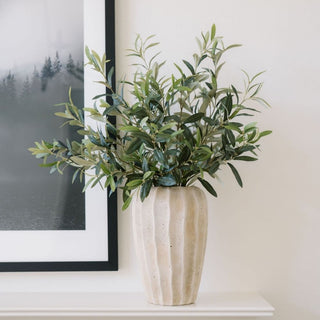
The 30-inch faux olive arrangement in artisan vase exemplifies this trend at a smaller scale. The silhouette is deliberate, the vessel adds heritage weight, and the arrangement functions as a focal point on consoles or side tables without competing with surrounding elements. For larger spaces, a ficus tree provides the broad, layered canopy that softens hard edges and creates natural division between seating areas or dining zones.
Eucalyptus is another botanical gaining prominence for its architectural qualities. The 7-foot willow eucalyptus offers a more relaxed, cascading form that works in spaces where rigidity would feel out of place. Its movement creates visual interest without the stiffness of more traditional topiary shapes. Similarly, a 4-foot faux potted eucalyptus bridges the gap between statement tree and tabletop styling, providing enough scale to register as intentional while remaining versatile enough to shift between rooms as needed.
The key to architectural greenery is placement. Rather than clustering multiple plants in one area, designers are positioning single, substantial pieces in locations where they function as anchors. A 6.5-foot faux olive tree in a corner previously left empty. A ficus beside a reading chair that needed definition. These aren't decorative afterthoughts. They're structural decisions that shape how a room feels and functions.
For households prioritizing low-maintenance solutions or managing concerns around pet safety and plant toxicity, realistic faux plants eliminate the variables that complicate live plant ownership while maintaining the same visual and spatial impact. A faux olive tree requires no light, no water, and no seasonal adjustment. It simply provides the architecture the space needs, consistently and without ongoing concern.
Statement Florals Return
While architectural greenery provides structure, statement florals are reintroducing color and softness in ways that feel considered rather than saccharine. The shift is away from minimalist monochromes and toward visible blossoms that create focal points without overwhelming. Designers are using florals as moments of contrast within otherwise restrained palettes, allowing a single arrangement to carry emotional weight that neutral schemes alone cannot achieve. For homeowners emerging from winter, this return to visible bloom offers a psychological shift as much as an aesthetic one.
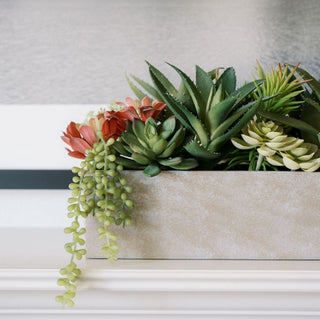
The challenge with florals has always been realism. Poorly executed faux flowers read as artificial immediately, undermining the refinement they're meant to support. But high-quality construction has evolved to the point where techniques for making faux flowers look more real are now standard among design-focused brands. Varied petal shapes, natural color gradation, textured centers, and subtle imperfections all contribute to arrangements that hold up under scrutiny.
Statement florals work best when they're allowed to stand alone. A single substantial arrangement on a dining table. A bold stem in a sculptural vase on a console. The surrounding decor remains calm, allowing the floral element to function as the room's emotional center. This approach aligns with the broader movement toward visual hierarchy, where one or two elements create impact and everything else provides support.
For this season specifically, the palette is shifting toward deeper, more saturated tones rather than pastels. Burgundy, plum, and rust are appearing alongside softer blush and cream, creating arrangements that feel grounded and sophisticated rather than sweetly seasonal. These are florals that transition beyond spring without feeling out of place, which supports the growing preference for decor that doesn't require full seasonal rotation.
Heritage Silhouettes and Urn Influence

Classical forms are reemerging in 2026 interiors, particularly in the vessels and containers used to display greenery and florals. Urns, pedestals, and artisan-crafted planters with sculptural presence are replacing the sleek, minimal pots that dominated recent years. The shift reflects a broader cultural interest in permanence and craft, with design choices that feel rooted in history rather than optimized for trend cycles. There's something grounding about these forms in a moment when so much feels transient.
Martha Stewart's recent spring decor collection emphasizes this return to heritage shapes, featuring planters and vessels that reference traditional garden design while maintaining enough restraint to feel contemporary. The appeal lies in the weight and presence these pieces bring. A substantial urn doesn't just hold greenery. It anchors it, giving the arrangement a sense of intentionality and permanence that lightweight modern planters lack.
This trend works particularly well in spaces that blend traditional and contemporary elements, an approach explored in depth in discussions around quiet luxury and loud luxury. A classical urn filled with olive branches in a minimalist living room creates visual tension that feels dynamic rather than disjointed. The form is timeless, the styling is modern, and the combination grounds the space in a way that feels both considered and adaptable.
For those integrating this trend, the key is restraint. One or two heritage pieces per room is sufficient. Too many, and the space tips toward period styling rather than contemporary design informed by classical proportion. The goal is to borrow the gravitas of heritage forms without replicating historical interiors wholesale.
Layered, Textural Styling
Texture is becoming the defining characteristic of well-designed interiors this season. Woven materials, natural fibers, and layered textiles are appearing in spaces that once prioritized smooth, uniform surfaces. The shift is toward rooms that invite touch and participation rather than simply observation. This doesn't mean abandoning restraint. It means introducing tactile variety within an edited framework. As homes become places where people spend more time, the need for spaces that feel physically comfortable, not just visually refined, becomes more pressing.
Woven ottomans and poufs are particularly effective at introducing texture without visual chaos. A square striped woven ottoman pouf functions as additional seating, a footrest, or a low surface for styling. The woven construction adds warmth and dimension, and the neutral palette ensures it integrates across multiple design contexts. These pieces support flexible styling, adapting to seasonal shifts without requiring replacement. To begin layering texture, start with one woven element in the room that receives the most use, then let the space guide whether additional pieces feel necessary.
Textiles are also playing a larger role in layered styling. Tablecloths with botanical patterns, textured throws, and linen pillows create softness and depth. An eggplant and grey roses tablecloth, for instance, introduces pattern and color in a way that feels sophisticated rather than decorative. The tones are grounded, the pattern is refined, and the textile itself becomes the focal point of the table rather than requiring additional styling to feel complete.
Glass with texture is another emerging detail. Smooth, clear glass has dominated for years, but etched, ribbed, and frosted finishes are reintroducing visual interest without adding color or pattern. Etched glass vases catch light differently than smooth surfaces, creating subtle variation that supports layered interiors. They work with bold florals or minimal greenery, adapting to whatever the composition requires.
The unifying principle across all of these textural elements is that they support rather than dominate. None of them demand attention individually, but together they create the kind of layered, tactile environment that makes a space feel lived in and intentional.
Elevated Faux as the Quiet Infrastructure of Spring

One of the quieter but more significant shifts in the current design direction is the acceptance of high-quality faux greenery and florals as legitimate design tools rather than budget substitutes. Designers are increasingly incorporating realistic faux plants into projects where longevity, consistency, and low maintenance are priorities. This isn't about deceiving the eye. It's about choosing materials that support how spaces are actually used.
The advantages are practical. As explored in Why Buy Fake Plants, faux greenery doesn't require light, which means it can be placed anywhere in a room based on design needs rather than horticultural requirements. It doesn't wilt, shed, or require seasonal rotation. And for households managing allergies, as discussed in Goodbye Allergies, Hello Faux Plants, or travel schedules, faux plants remove variables that complicate live plant ownership without sacrificing the visual warmth and biophilic benefits greenery provides.
Quality matters significantly. Low-end faux plants still read as artificial, but well-constructed pieces with varied leaf shapes, natural color gradation, and textural detail hold up under scrutiny. The construction techniques that once separated faux from live greenery have narrowed to the point where the distinction is often context rather than material. A well-made faux olive tree in a refined interior functions identically to a live one in terms of design impact. The difference is in what happens after placement.
For those exploring accessible options for bringing the architectural greenery trend into their homes, the CG Hunter olive tree available through Amazon offers a straightforward entry point for understanding how faux plants in style 2026 integrate into curated spaces. The construction includes varied branch angles, natural color shifts, and enough scale to function as a true architectural element rather than decorative filler.
The broader trend is toward seasonless styling supported by pieces that don't require adjustment based on the calendar. Faux greenery fits this framework because it remains consistent. You can style it in February and leave it in place through October without concern about growth, wilting, or seasonal appropriateness. This aligns with the growing preference for homes that evolve gradually rather than shifting dramatically with each season.
Designer Answers: Spring 2026 Trends
What are the biggest spring 2026 interior design trends? Architectural greenery, statement florals, heritage planters, and layered textural styling define spring 2026. The movement is away from stark minimalism toward warmer, more intentional spaces that balance restraint with comfort. Greenery is being used as structure rather than accent, and textiles and woven materials are reintroducing tactile variety.
Is minimalism still in style in 2026? Minimalism as a principle remains relevant, but the stark, sterile interpretation is fading. Spring 2026 reflects a shift toward edited maximalism or warm minimalism, where restraint is maintained but comfort, texture, and personality are prioritized. The goal is spaces that feel lived in without feeling cluttered.
How do you decorate for spring without starting over? Focus on small, intentional shifts rather than full overhauls. Add architectural greenery to anchor empty corners. Introduce textural elements like woven poufs or botanical textiles. Swap out one or two accessories to acknowledge the season without requiring complete replacement. The foundation stays constant while details evolve.
Are faux plants in style for 2026? High-quality faux plants are increasingly embraced by designers as practical solutions for low-maintenance, allergy-friendly, and seasonless styling. Realistic construction techniques have improved to the point where well-made faux greenery functions identically to live plants in terms of design impact, with the added benefit of consistency and flexibility in placement.
How do designers use greenery in modern homes? Greenery is being positioned as structural architecture rather than decorative filler. Single substantial trees anchor corners, frame entryways, and define zones within open spaces. The focus is on scale, form, and intentional placement rather than scattering smaller plants across surfaces. Greenery establishes proportion and introduces organic warmth without requiring constant editing.
Spring Design as Intentional Evolution

The trends defining this season aren't about novelty. They're about recognizing what actually makes spaces feel considered, comfortable, and adaptable over time. Architectural greenery provides structure. Statement florals introduce emotional warmth. Heritage forms ground spaces in craft and permanence. Textural layering creates tactile environments that invite participation. And elevated faux solutions support all of these elements with consistency and flexibility.
For those planning seasonal refreshes, the opportunity lies in understanding which trends align with long-term design goals rather than short-term aesthetic impulses. The pieces that define this moment are the ones that will remain relevant beyond the season, supporting homes that evolve gradually rather than shifting dramatically with each trend cycle. The goal is moving forward with pieces that last, creating spaces that feel intentional not just in spring, but in every season that follows.
This is the difference between decorating for a season and designing for a life. One requires constant reinvention. The other allows for intentional, meaningful change that supports how spaces are actually used. Spring 2026 rewards the latter, and the homes that reflect this shift are the ones that will feel considered long after the calendar turns.
Explore architectural greenery, layered textiles, elevated faux botanicals, and seasonless styling throughout the CG Hunter collection. Each piece is designed to support homes that evolve gradually, anchored by quality materials and transitional design that adapts across seasons. Follow @CGHunterHome on Instagram, Pinterest, TikTok, and Substack for daily inspiration on intentional, layered interiors. For wholesale inquiries, shop CG Hunter on FAIRE.