Introducing the Hunter Collection and Why Greenery is Structure, Not Decoration
Spring 2026 marks a shift in how people approach home design. For years, design media celebrated stark minimalism with white walls and empty surfaces. Rooms looked good in photographs but felt cold in practice. Design trends for spring 2026 point toward warmth, layering, and spaces that feel lived in. Green is central to this because it brings nature into a room without requiring an overhaul.
Green isn't decorative, it's structural. It provides mass, vertical line, and visual breathing room in dense interiors. This is how spring decor ideas actually work when they're built to last through architectural greenery, seasonless palettes, and intentional editing.
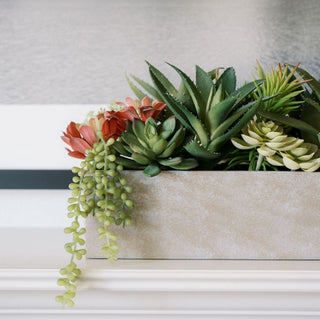
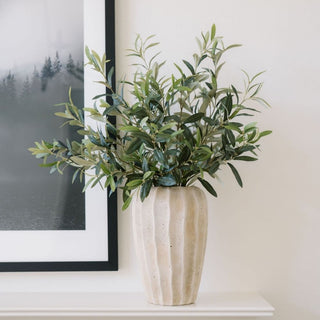
The Hunter Collection reflects this thinking with familiar forms and deeper textures. The pieces are designed to anchor rooms rather than rotate seasonally. These aren't accents, they're infrastructure.
Why Spring 2026 Feels Different

People want warmth and personalization in their homes. Design editors report a movement away from trend cycles toward rooms that reflect how people actually live. Collections on display, layered textiles, and greenery as structure instead of filler create homes that feel grounded.
Interior trends from Ambiente 2026 emphasize natural materials, organic forms, and pieces built to last. The principle is straightforward: homes should support life, not constrain it. That means choosing pieces that work across seasons instead of requiring replacement every few months.
Green bridges these ideas well. It's botanical without being floral, seasonal without being temporary. It anchors a space without the maintenance issues of live plants. Spring 2026 isn't about decoration, it's about structure.
Best Color Palettes for Spring Home Styling
The best spring palettes avoid cliché. Pastels work for some spaces, but they're not the only option. Consider deeper greens like moss and olive paired with neutral foundations. Stone and bone tones create warmth without pastels. Natural materials like wood and textured glass in smoke finishes add depth without overwhelming the space.
Green anchors the palette effectively. It can be soft or saturated, but it provides organic warmth that connects a room to nature. Pair it with neutral foundations and natural materials like linen, wood, and glass to support the palette without adding noise.
Maria Killam's 2026 trend observations point to earthy, grounded tones. The shift is away from cool grays toward warmer, more inviting palettes. Green fits naturally because it adds color without disrupting the calm of neutral spaces.
The palette should feel cohesive across the home. Rooms don't need to match, but there should be tonal relationships. If the living room has deep olive greenery, the bedroom might use lighter moss tones. The continuity creates flow without identical styling.
Spring Decor Ideas for Home Without the Novelty

Spring decor for home works when it's built on lasting principles through layering, architectural greenery, and intentional editing. These create spaces that transition from March into summer without a full reset.
Start with greenery as structure rather than small potted plants scattered everywhere. Use substantial pieces that establish vertical line and mass. These organize the room visually and create breathing room for other elements. This matches what the Hunter Collection is about: green as infrastructure, with pieces designed for architectural presence rather than seasonal rotation.
Skip novelty items entirely. Bunny figurines and pastel accents are seasonal by definition and announce spring instead of supporting it. The pieces that last never explicitly reference a season. Greenery, natural textiles, and vessels in organic finishes work in March and July equally well.
Edit intentionally and constantly. Not everything needs to be out at once. Rotate collections, store seasonal items, and keep only pieces that contribute to the room. The goal is abundance without chaos, which requires constant curation.
In honor of St. Patrick's Day on March 17, we're highlighting three pieces from the Hunter Collection that show how green functions as structure in spring home design: the boxwood wreath for entries, the snake plant for mantles, and the Shady Lady tree for porches.
Spring Decor for Door: Entry as Intention
The entry sets the tone for the entire home. This is why spring decor for door matters, but restraint is critical. Wreath overload is common with multiple ribbons and artificial flowers in bright pastels. The intent is welcoming, but the result often looks busy.
One intentional gesture works better than abundance. A 30-inch artificial boxwood wreath provides green without announcement. The form is classic and the texture is organic. It references spring without explanation and anchors rather than shouts.
Choose pieces that feel permanent rather than seasonal. A boxwood wreath works in March and October equally well. This longevity means the investment isn't temporary. The wreath becomes part of the home's architecture instead of rotating decoration.
Pair the wreath with simple elements like a natural fiber mat, wooden door in warm tones, and minimal hardware. The composition should feel cohesive and restrained. The wreath provides the green while everything else supports without competing.
Spring Decor for Mantle: Edited Clusters and Breathing Room

The mantle is where spring styling often fails with too many objects, competing heights, and no negative space. The result is visual noise instead of intentional composition. Spring decor for mantle requires editing and rhythm.
Start with one substantial vertical element. A 40-inch artificial snake plant in a black pot provides graphic presence without clutter. The vertical line is strong and the form is architectural. It establishes scale and lets everything else on the mantle stay minimal.
Group objects in clusters instead of spacing them evenly across the surface. Place three objects on one side, leave negative space in the center, and position the snake plant on the other side. This asymmetry creates interest without chaos. The eye moves across the mantle in rhythm instead of getting stuck.
Use repetition for coherence throughout the styling. If the mantle has glass vessels, repeat the finish. If it has wood, repeat the tone. The repetition ties objects together and signals intentional composition.
Skip seasonal clutter completely. Spring doesn't require bunnies, eggs, or pastel accents on the mantle. It requires greenery, breathing room, and the confidence to let negative space work as design.
Spring Decor Table: Green as Punctuation, Not Palette
The table is where people gather, eat, and linger during meals. Spring decor table styling should support this instead of obstructing it. Green works best as low mass or vertical punctuation through a single substantial centerpiece or simple vessels with individual stems. The goal is presence without interference.
Avoid overcrowding the surface. The table needs room for serving dishes, elbows, and natural movement during meals. If the centerpiece needs repositioning to make space, it's too large or poorly placed.
Use greenery to create continuity with the rest of the room. If the mantle has a snake plant, the table might have smaller-scale greenery in a complementary vessel. The repetition creates flow without identical styling.
Keep the palette seasonless with whites, creams, soft greens, and natural wood. These tones work for spring and fall equally well. The table doesn't need to announce the season, it needs to support the gathering.
Spring Decor Porch: Structure and Canopy

The porch bridges interior and exterior spaces, which makes it ideal for substantial greenery. Spring decor porch styling benefits from pieces that provide structure and organic form.
A 6.5-foot artificial Shady Lady tree anchors a corner and creates canopy above the space. The silhouette is soft and the height establishes scale. The tree doesn't just decorate the porch, it organizes it. Seating feels more intentional when positioned near the tree. The space reads as designed instead of just furnished.
Pair the tree with simple elements like a natural fiber rug, wood or wicker seating, and minimal accessories. The tree provides the visual weight while everything else supports without competing.
High-quality faux greenery on a porch offers consistency throughout the season. It doesn't need repositioning for light, doesn't wilt in heat, and doesn't struggle in shade. The tree stays constant, allowing the space to function without maintenance variables.
The Hunter Collection: Green as Infrastructure
The Hunter Collection is a return to green, not as trend or theme, but as structure. The collection features familiar forms with deeper textures and sculptural continuity that supports layered interiors without novelty.
The pieces prioritize longevity over seasonal relevance. They're designed to anchor rooms, organize density, and provide architectural presence that allows everything else to layer naturally. The snake plant establishes vertical line on a mantle. The boxwood wreath anchors an entry. The Shady Lady tree creates canopy on a porch. These aren't decorations, they're infrastructure.
The collection reflects what CG Hunter has always prioritized: greenery as mass, vertical line, and sculptural silhouette. The pieces don't require rotation or storage and don't announce a season. They support how homes are lived in, allowing spaces to feel grounded and intentional regardless of what else shifts.
As design thinking around comfort evolves, the focus moves toward pieces that create emotional grounding instead of visual novelty. The Hunter Collection aligns with this shift. The pieces are designed to endure, to support, and to function as architectural foundation that allows homes to feel complete.
Designer Answers: Spring Decor and Architectural Green

What are spring decor ideas that feel elevated, not seasonal cliché? Focus on architectural greenery, seasonless palettes, and intentional editing. Use substantial pieces that establish structure rather than scattering small accents. Choose deeper greens paired with neutral foundations instead of pastels. Layer textiles and vessels in organic finishes. The goal is creating spaces that feel grounded in spring but don't require dismantling in summer.
What is the best spring decor for home if you want it to last beyond March? Invest in pieces that never explicitly reference the season. Faux greenery with realistic construction, natural fiber rugs, linen textiles, and wood and glass vessels feel appropriate year-round. Avoid novelty items like themed accents or holiday-specific colors. The pieces that endure are built on structure and quality rather than trend.
How do you use green in home decor without making it feel themed? Use green as architectural structure, not decoration. Choose substantial pieces like trees or large-scale arrangements that establish vertical line and mass. Pair green with neutral foundations like cream, stone, and warm wood. Avoid clustering multiple shades of green in one space. Instead, let one or two substantial green pieces anchor the room while everything else remains neutral.
What is the best spring decor for door without wreath overload? Choose one substantial wreath in a natural material like boxwood. Avoid layering ribbons, artificial flowers, or multiple decorative elements. Pair the wreath with a simple surrounding composition including a natural fiber mat, warm wood door, and minimal hardware. The wreath should anchor the entry without competing for attention. Quality and restraint work better than abundance.
How do you style spring decor for mantle without clutter? Start with one substantial vertical element like a snake plant or tall arrangement. Group remaining objects in asymmetrical clusters rather than spacing them evenly. Use repetition of materials or finishes to create rhythm. Maintain negative space in the center or on one side. Avoid seasonal novelty items. The mantle should feel edited and intentional, not packed.
What makes a spring decor table feel intentional? Use greenery as punctuation, not palette. A single substantial centerpiece or a few simple vessels with individual stems work best. Leave room for serving dishes and natural movement during meals. Keep the palette seasonless with whites, creams, soft greens, and natural wood. The table should support gathering without obstruction.
What is architectural greenery? Architectural greenery functions as structure rather than decoration. It establishes mass, vertical line, and sculptural silhouette. Substantial pieces like trees, large-scale arrangements, or graphic plants organize a room visually and create breathing room. The greenery isn't accent, it's infrastructure that supports how the rest of the room layers.
How do you transition from winter to spring without redecorating? Build your foundation on seasonless pieces including architectural greenery, neutral textiles, and natural materials. Transition by adjusting small details rather than overhauling the room. Swap heavier throws for lighter linen, introduce fresh greenery if you've been using dried branches, and adjust lighting to let in more natural light. The structure remains constant while only the details shift.
Spring decor works when it's built on principles that endure. Architectural greenery provides structure, seasonless palettes create cohesion, and intentional editing prevents clutter. These elements allow homes to transition naturally from winter into warmer months without requiring a complete reset. The pieces that matter are designed for longevity rather than novelty, supporting how spaces are lived in rather than how they photograph for a single season. The Hunter Collection embodies this philosophy through familiar forms, deeper textures, and the kind of sculptural continuity that allows homes to feel grounded and intentional year-round.
Explore architectural greenery, seasonless styling, and refined vessels throughout the CG Hunter collection, including the Hunter Collection, designed to support layered interiors with structure and intention. Follow CG Hunter on Instagram, Pinterest, TikTok, and Substack for perspectives on designing homes that honor green as infrastructure, not decoration. Select pieces are available through our Amazon storefront. For wholesale inquiries, visit us on Faire.