The Shift Toward Lived-In Luxury and Imperfect Interiors
Something shifted in how homes are being designed. The interiors that once felt aspirational now feel exhausting. Rooms styled to perfection, surfaces filled to completion, every corner addressed with matching accessories. These spaces photograph well, but they don't accommodate life. The cultural appetite is moving away from showroom perfection toward something more forgiving: homes that feel lived in, edited, and slightly imperfect.
This isn't a rejection of design. It's a rejection of over-styling. The difference matters. A well-designed home supports how people live. An over-styled home requires constant maintenance to preserve the aesthetic. One evolves naturally. The other resists change. Design trends in 2026 point toward imperfect interiors, where texture, patina, and asymmetry replace the rigid symmetry and matched sets that defined luxury for decades.
Luxury is being redefined as comfort plus clarity, not constant surface styling. The homes that feel most elevated are the ones that leave breathing room, prioritize function, and trust that restraint creates more impact than abundance. This shift has implications for how seasonal styling works, how greenery functions in a room, and what actually makes a space feel complete without feeling finished.
The Shift Away From Showroom Perfection

For years, design media celebrated interiors styled to completion. Every surface held multiple objects. Mantles were layered with vessels, frames, and greenery at varying heights. Coffee tables featured stacks of books, trays, candles, and small sculptures. The compositions were visually rich, but they didn't accommodate daily use. The moment someone needed to set down a glass or reach for something, the styling collapsed.
This approach created homes that felt more like showrooms than living spaces. The styling was designed to be admired, not used. Guests complimented the effort but hesitated to disturb anything. Homeowners spent energy maintaining the composition rather than enjoying the space. The perfection felt fragile, which is the opposite of what luxury should provide.
What's replacing this is a preference for homes that feel lived in from the start. Rooms where a few substantial pieces anchor the space and everything else supports function. Surfaces that can actually be used. Compositions that don't collapse when life happens. The shift isn't about lowering standards. It's about raising them in a different direction, prioritizing longevity and livability over visual density.
Why Homes Look Messy Even When Styled
Design experts note that many homes feel cluttered even when they're intentionally styled. The problem isn't lack of effort. It's too many small items creating visual noise. Shelves filled with fifteen objects read as chaotic regardless of how carefully they're arranged. Surfaces holding multiple accessories compete for attention rather than creating focal points.
Overcrowded surfaces are part of the issue. When every horizontal plane holds multiple objects, the eye has nowhere to rest. Nothing registers individually because everything competes. The room feels busy rather than refined. Pattern overload compounds this. Too many prints, textures, and finishes in one space create visual static. The room doesn't feel layered. It feels loud.
Poor visual storage contributes as well. Items that should be hidden remain visible, not because they're beautiful but because there's nowhere else for them to go. The clutter isn't intentional. It's structural. The solution isn't more styling. It's editing, better storage, and the confidence to let negative space function as design.
Imperfect Interiors as Luxury

The imperfect interiors trend reframes what luxury means in the home. Instead of perfection, the focus is on texture, patina, and materials that improve with use. Linen that softens with washing. Wood that develops character through handling. Ceramic that gains small imperfections over time. These materials don't need to be perfect when new. They need to age well.
Asymmetry replaces rigid symmetry. A mantle styled with objects grouped on one side and negative space on the other feels more natural than perfectly balanced compositions. Two different chairs flanking a fireplace feel more collected than a matched pair. The slight imbalance creates movement and suggests the room evolved over time rather than being purchased in a single trip.
Comfort becomes central to luxury. A sofa that can actually be sat on without disturbing the pillows. A coffee table that accommodates books, drinks, and laptops. A dining table that supports meals without requiring the centerpiece to be moved. These functional considerations aren't compromises. They're what make a space feel luxurious in use rather than just in appearance.
The CG Hunter Method: Three Controls for a Lived-In Room
Creating a home that feels lived in but elevated requires three controls: scale, negative space, and structural greenery. These elements work together to prevent over-styling while maintaining refinement.
Scale solves clutter by replacing multiple small items with fewer substantial pieces. A 6.5-foot artificial Shady Lady tree anchors a corner and provides visual pause. The tree doesn't add to the density. It organizes it. The eye moves to the tree, rests, then continues scanning the room. Without that pause, smaller objects create noise. With it, the room feels structured.
Negative space functions as a design element rather than leftover area. An empty section of shelf isn't unfinished. It's intentional breathing room. A bare wall next to a styled console creates contrast. The negative space allows the objects that are present to register more clearly. This is one of the hardest principles to apply because the instinct is to fill, but protecting emptiness is what prevents over-styling.
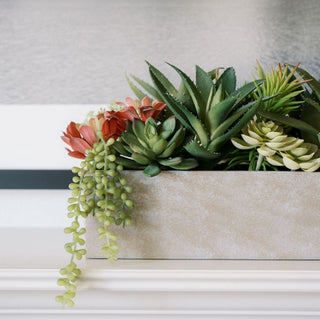
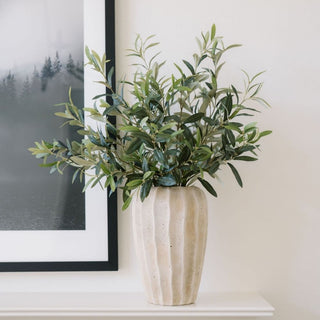
Structural greenery provides mass, vertical line, and sculptural silhouette that supports the room without adding decorative clutter. Greenery positioned as architecture rather than accent creates the foundation that allows everything else to layer naturally. It's infrastructure, not decoration.
Seasonal Styling Without Over-Styling

The art of styling without over-styling applies particularly to seasonal changes. The impulse is often to introduce themed objects, multiple accents, and color-specific items that announce the season. But this creates the cycle of constant replacement that defines over-styling.
What works better is one or two high-quality gestures that integrate with the existing foundation. A 15-inch Gabriella decorative vase with artificial light pink peony stems provides seasonal presence without clutter. The vase has sculptural weight that functions year-round. The stems introduce soft color that references spring without requiring themed decor around them. The gesture is singular and intentional, which is the opposite of over-styling.
The rest of the room remains constant. The foundation doesn't change. The palette doesn't reset. The seasonal adjustment is material and tonal rather than decorative. This allows the home to feel current without requiring storage, rotation, or the kind of maintenance that makes seasonal styling exhausting.
What Holds Up in Real Homes
Designers note that certain styling choices read as staged rather than lived in. Perfectly fluffed pillows arranged by size. Symmetrical accessory groupings. Color-coordinated book stacks. Styled trays holding items never used. These gestures signal effort, but they don't signal life.
What holds up in real homes is different. Pillows that can be used without disrupting the composition. Books stacked because they're being read, not because they match the color palette. Trays holding items that actually get used. Asymmetrical groupings that suggest gradual accumulation rather than a single styling session.
The homes that feel most refined are the ones that resist perfection. They allow imperfection to show. A throw draped casually rather than perfectly folded. A vase positioned slightly off-center. Objects grouped in odd numbers rather than matched pairs. These small gestures create the sense that the room is lived in and loved, which is more valuable than looking untouched.
What's Next

Tomorrow on Substack, we'll share 10 specific ways to avoid over-styling while maintaining refinement. The focus will be practical: how to edit surfaces, use negative space, choose materials that age well, and create rooms designed to be used rather than admired from a distance. The principles explored here take concrete shape through actionable guidance.
The cultural shift away from over-styling isn't temporary. It reflects a deeper change in what people value in their homes. Comfort matters more than perfection. Function matters more than appearance. Longevity matters more than trend alignment. The homes being built now are designed to evolve rather than reset, to accommodate life rather than resist it, and to feel complete without feeling finished.
Designer Answers: Over-Styling and Lived-In Luxury
What makes a home feel over-styled? A home feels over-styled when surfaces are too densely filled, objects compete for attention, and the space prioritizes appearance over function. Too many small items create visual noise. Perfectly matched sets lack depth. Rigid symmetry feels staged. The room looks designed but doesn't accommodate daily use. Over-styling happens when the instinct to add overrides the discipline to edit.
How do you make a room feel lived-in but elevated? Use fewer, better pieces. Choose materials that age well like linen, wood, and ceramic. Create asymmetry through varied furniture and object placement. Leave surfaces functional rather than fully styled. Allow slight imperfection to show. The room should support how you actually live while maintaining quality and intention. Lived-in luxury comes from comfort plus clarity, not constant maintenance.
What is the imperfect interiors trend? Imperfect interiors prioritize texture, patina, and materials that improve with use over showroom perfection. The trend embraces asymmetry, natural wear, and the kind of comfort that comes from spaces designed to be used. It's a rejection of rigid styling and matched sets in favor of homes that feel collected over time. Luxury is redefined as longevity and livability rather than visual density.
How do you avoid visual clutter on shelves and tables? Use fewer objects with more presence. A shelf with three substantial pieces reads as curated. The same shelf with fifteen small items reads as cluttered. Group objects in odd numbers and leave intentional negative space. Don't fill every surface. Let some areas remain bare to create breathing room. Edit constantly and remove pieces that don't contribute to the composition or function.
What role does negative space play in luxury interiors? Negative space allows a room to breathe and gives the eye a place to rest. It creates contrast that makes the objects present register more clearly. In luxury interiors, negative space is planned rather than leftover. It's protected intentionally. Empty sections of shelves, bare walls, and clear surfaces aren't unfinished. They're structural elements that prevent over-styling and create the breathing room that defines refinement.
How does greenery function as structure, not decoration? Greenery functions as structure when it establishes mass, vertical line, and sculptural silhouette that organizes a room visually. A substantial tree anchors a corner and provides visual pause. Large-scale arrangements create focal points. Greenery positioned architecturally doesn't add to clutter. It creates the framework that allows everything else to layer naturally. It's infrastructure that supports the room rather than decoration that sits on top of it.
What materials age well in interiors? Linen softens with washing. Wood develops patina through use. Ceramic gains character over time. These materials don't need to be perfect when new. They need to be built to last and improve with age. Avoid materials that degrade or look worse with wear. Choose natural fibers, solid wood, quality ceramics, and finishes that evolve rather than deteriorate. The home should feel better over time, not require replacement.
How do you style seasonally without over-styling? Make one or two high-quality gestures that integrate with the existing foundation rather than introducing themed clutter. Choose pieces built on material quality and realistic construction that can remain visible beyond a single season. Adjust through material weight rather than color palette. Swap heavier textiles for lighter ones. The seasonal change should feel inevitable rather than announced. The foundation remains constant while small details shift.
Over-styling is being replaced by intentional editing, structural clarity, and the confidence to let homes evolve naturally. The spaces that hold up are the ones designed for life rather than appearance, built on quality rather than quantity, and refined through restraint rather than abundance. This shift reflects what homes have always been for: supporting how people live, not preserving how they look.
Stay Informed about Home Decor

Explore architectural greenery, refined vessels, and seasonless styling throughout the CG Hunter collection, designed to support lived-in luxury through structure and intention. Follow CG Hunter on Instagram, Pinterest, TikTok, and Substack for perspectives on designing homes that honor comfort, clarity, and longevity over trend cycling. Select pieces are available through our Amazon storefront. For wholesale inquiries, visit us on Faire.